


How to Create a Low‑Maintenance Backyard You’ll Actually Use in 2025 🌿
A functional, beautiful backyard doesn’t have to be a chore. In 2025, a Low‑Maintenance Backyard space is the ideal balance between ease, style, and purpose, giving you more time to enjoy and less to maintain.
What Makes a Backyard Truly Usable in 2025?

A backyard that serves you: zones for activities, smart solutions, Low‑Maintenance Backyard materials, and plantings that thrive with minimal help. It’s not about perfection—it’s about a backyard that fits your lifestyle and brings joy, not stress.
Core Principles of a Low‑Maintenance Backyard
Opt for Low Maintenance Options

Use materials like composite decking, gravel patios, artificial turf, and powder-coated furniture durable and weather-resistant choices that resist wear and need little upkeep.
Automation of Tasks
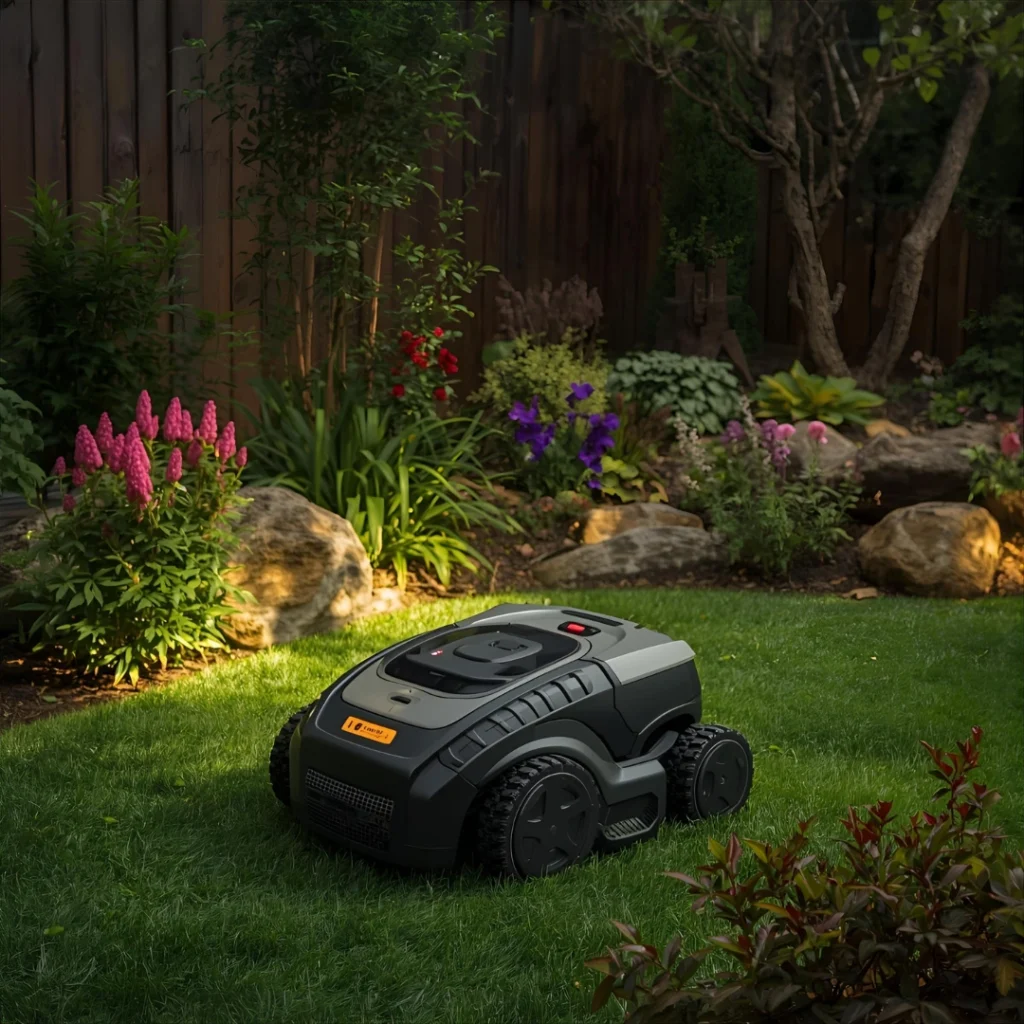
Incorporate tech like timer-based drip irrigation, solar or sensor lighting, and robotic mowers. Automation eliminates repetitive chores.
Shrubs and Flowers Native to Your Region

Planting native species (e.g. lavender, coneflowers, ornamental grasses) reduces water needs, resists pests, and creates natural harmony in your backyard.
Streamlined Design

Simplify with clean paths, defined planting zones, and a curated plant palette. Fewer elements mean less to manage—and more visual clarity.
Functional Zones You’ll Actually Use
Relaxation Lounge

Create a cozy retreat with weather-resistant outdoor sofas and chairs. Anchor the space with a fire pit, pergola, or umbrella for added comfort.
Outdoor Dining & Kitchen Space

Add a grill or built-in kitchen with prep surfaces and durable dining furniture. Keep it simple so cooking outside doesn’t feel like a hassle.
Kid and Pet Zones

Install a tough, pet-safe surface like artificial turf or mulch. Include a sandpit or play structure for kids, and shaded areas and water outlets for pets.
Backyard Planning Checklist in Detailed Steps

- Identify your priorities – Decide what you actually want to use: lounge, dine, play, garden.
- Draw zone layout – Map areas for each purpose, ensuring flow and accessibility.
- Select materials – Choose stone, gravel, turf, or decking for durability and minimal upkeep.
- Choose plants – Opt for hardy native shrubs and grasses that suit your climate.
- Install lighting – Use solar or LED lights to highlight paths, seating, and features.
- Add storage – Include benches or sheds for tools, toys, and cushions.
- Automate care – Set up irrigation timers, outdoor-powered outlets, and easy-care lighting.
Sustainability Focus: 2025 Backyard Design on Life, Less Lawn

Skip high-water lawns in favor of:
- Gravel or mulch pathways
- Native groundcovers like rosemary or thyme
- Rain gardens to manage stormwater
- Xeriscaping with drought-resistant plants
These eco-conscious choices reduce water use and boost resilience.
Expert Tips from Designers in Landscaping

- Treat Your Yard As An Extension Of Your Home
“Bring your indoor style outside—use outdoor rugs, lounge setups, and cohesive decor to blur the line between inside and out.” – Lily Tran, Garden Designer - Think: If It Causes Stress, Cut It Out
“Don’t cling to high-maintenance plants—remove anything that causes anxiety and opt for easy-care alternatives.” – James Dell, Landscape Architect - Add A Fire Pit, Water Bowl, Or Dramatic Plant To Anchor The Space
“One focal feature, like a fire pit or bold tree, makes your yard feel intentional and inviting.” – Marissa Glenn, Outdoor Living Expert
Conclusion: A Backyard That Works For You
A 2025 backyard should be smart, sustainable, and centered around your needs. By simplifying design, choosing durable materials, and zoning spaces for real use, you’ll end up with a gorgeous, low-maintenance retreat tailored to your life.


