


Fall Pantry Organization 2025: Storage Ideas That Work for Real Life
There’s a specific energy that comes with the turn of the season. As the air gets crisp and the leaves begin to change, I feel a deep-seated urge to prepare, to nest, to create order. And for me, that always starts in the heart of the home: the kitchen. For years, my pantry was a source of low-grade stress—a jumble of half-empty bags, forgotten cans, and spilled grains. That was before I discovered a system for fall pantry organization that isn’t just about aesthetics, but about creating a functional space that makes cooking for holidays, weeknight dinners, and spontaneous baking projects an actual joy.
This isn’t about achieving a Pinterest-perfect pantry overnight. This is a real-world, sustainable approach to fall pantry organization that I developed through trial and error. It’s designed for busy people who actually use their kitchens. If you’re ready to transform your chaotic cupboard into a beacon of seasonal efficiency, this 2025 guide is for you.
Why Fall Is the Right Time to Reorganize

Spring cleaning gets all the glory, but fall is the undisputed champion for pantry overhauls. The logic is simple: you’re heading into the busiest cooking and baking season of the year. From Halloween candy to Thanksgiving feasts and holiday cookie exchanges, your pantry is about to become Grand Central Station. Starting this season with a clean, well-ordered space is a gift to your future self.
A proper fall pantry organization project means no more buying a third bag of brown sugar because you couldn’t find the first two. It means knowing exactly what you have for that last-minute soup recipe. It’s about making room for the seasonal staples that define autumn cooking—the soups, stews, and baking ingredients—while clearing out the summer remnants. This proactive approach to fall pantry organization sets a tone of calm and control, making the entire season more enjoyable and less hectic.
The 3 Steps That Made All the Difference

I used to dive headfirst into organizing, only to end up with a bigger mess and no energy to finish. I’ve since learned that a successful fall pantry organization project hinges on three non-negotiable steps. Do these in order, and you’re guaranteed success.
- The Complete Empty: This is the most crucial step. Take everything out of your pantry. Every spice jar, every canned good, every lonely pasta noodle from the back corner. Place it all on your kitchen table or counter. This forces you to confront the entirety of your inventory and gives you a blank slate to work with. As you empty, take this opportunity to wipe down every shelf with a damp cloth. Start fresh, literally.
- The Ruthless Edit: Now, face the pile. This is where you decide what deserves a spot in your newly organized space. Check expiration dates on everything. Be merciless. That specialty flour from 2021? Toss it. The half-eaten bag of chips that’s gone stale? Recycle it. Create three piles: Keep, Donate (unopened, in-date items you won’t use), and Toss. This purge is the most liberating part of the entire fall pantry organization process.
- The Logical Group: Before you put a single item back, group your “Keep” pile into categories. This is the foundation of a functional system. Common categories include: Baking (flours, sugars, chocolate chips), Canned Goods (vegetables, beans, broths), Grains & Pasta, Snacks, Breakfast, and Spices. You’ll refine these categories later, but this initial grouping is essential for the next phase of your fall pantry organization.
Pantry Categories That Simplify Everything

A categorized pantry is a usable pantry. Grouping like items together seems obvious, but the magic is in creating zones that align with how you actually cook. This strategic grouping is what makes this system for fall pantry organization so effective.
My Go-To Pantry Zones

- The Baking Center: All flour, sugar, baking soda, powder, vanilla extract, chocolate chips, and sprinkles live together. This makes grabbing ingredients for cookies or a cake a one-stop shop.
- The Dinner Station: This zone holds the building blocks for meals: canned tomatoes, beans, broths, pasta, rice, and jars of sauce. I keep oils, vinegar, and常用 seasonings nearby.
- The Quick-Grab Zone: This is for family snacks, granola bars, nuts, and easy breakfast items like oatmeal packets. It’s positioned at eye-level for my kids so they can help themselves without rummaging.
- The Spice Rack (or Shelf): A dedicated, visible space for spices is non-negotiable. Alphabetizing them is a bonus step, but simply having them all in one place is a game-changer.
Creating these distinct zones is the core principle of intelligent fall pantry organization. It creates mental shortcuts that save time and reduce stress every single day.
What Storage Solutions Actually Worked

The container aisle can be overwhelming. I’ve bought my fair share of organization “solutions” that ended up being a waste of money and space. Through my journey with fall pantry organization, I’ve learned what’s essential and what’s extraneous.
What Stayed

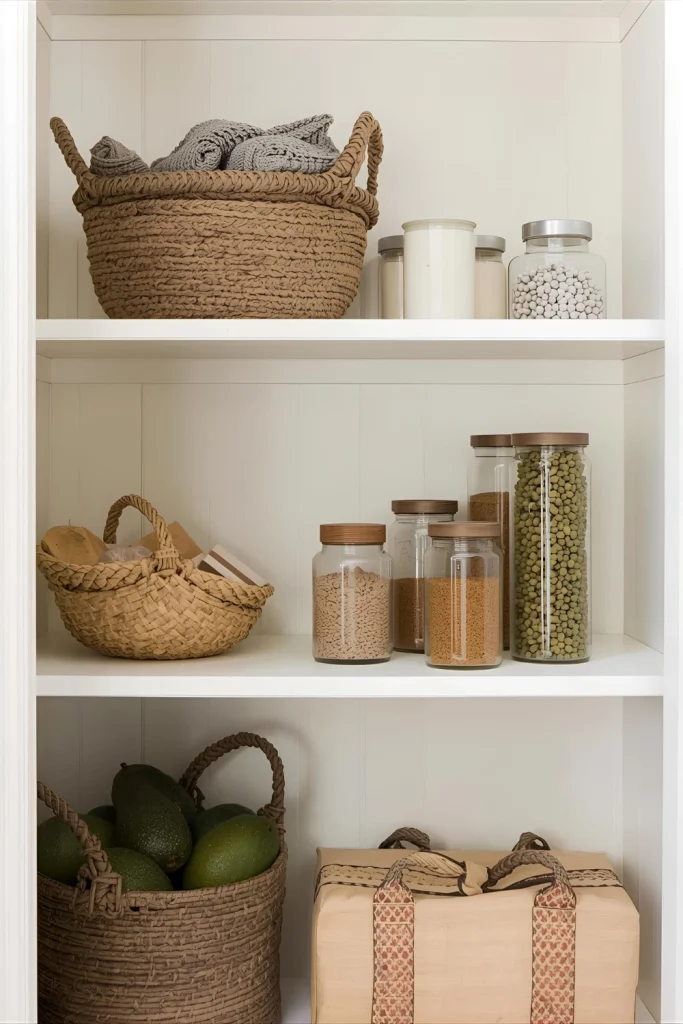
- Clear, Airtight Containers: These are the undisputed workhorses. I use them for all my dry goods—flour, sugar, pasta, rice, and cereal. The clear sides let me see my inventory at a glance, and the airtight seals keep food fresh and, crucially, keep pantry moths out.
- Lazy Susans: A absolute must for corner cabinets or deep shelves. I use one for oils and vinegar, and another for jars of sauces, salsa, and nut butters. No more lost items in the dark abyss.
- Stackable Baskets/Bins: These are perfect for items that don’t fit well in containers, like snack bars, tea bags, or potato and onion storage. They corral loose items and make a shelf look instantly tidy.
- Can Organizers: A simple tiered shelf for cans lets you see every label and practice a first-in, first-out (FIFO) system, ensuring you use the oldest cans first.
What Didn’t Work
- Over-Specialized Gadgets: The single-purpose egg container, the specific avocado keeper—they just take up space. A regular basket works fine.
- Decorative Opaque Jars: While beautiful, if you can’t see the contents, you’ll forget what’s inside. Form must follow function in effective fall pantry organization.
- Flimsy, Non-Stackable Bins: If they collapse when you try to take one out, or can’t bear weight, they create more problems than they solve.
Choosing Containers Without Wasting Money

You don’t need to spend a fortune to have an organized pantry. The goal of fall pantry organization is functionality, not bankruptcy. Here’s my budget-friendly approach:
- Measure First: Before you buy a single container, measure your shelf dimensions—height, width, and depth. There’s nothing worse than buying a beautiful set of containers that don’t fit.
- Start with a Starter Set: You don’t need to decant everything on day one. Buy a small set of clear containers for your most-used items like flour, sugar, and pasta. See how you like the system before fully committing.
- Mix and Match: It’s okay to use different brands! I found that rectangular containers are more space-efficient than round ones for most items. Use what works for your space.
- Repurpose What You Have: Glass jars from pickles, salsa, or sauce can be thoroughly washed and used for storing smaller items like nuts, seeds, or homemade spice blends. This is a free and sustainable approach to fall pantry organization.
What to Keep in Your Fall Pantry
An organized space is useless if it’s not stocked with the right ingredients. My approach to fall pantry organization includes a seasonal shift in inventory.
My Seasonal Staples

- Baking Essentials: All-purpose flour, whole wheat flour, brown sugar, white sugar, baking powder, baking soda, vanilla extract, cinnamon, nutmeg, pumpkin pie spice, and chocolate chips.
- Soup & Stew Foundations: Low-sodium chicken and vegetable broth, canned diced tomatoes, tomato paste, a variety of beans (black, kidney, cannellini), lentils, and pearled barley.
- Comfort Food Carbs: An assortment of pasta shapes, long-grain white rice, brown rice, and wild rice blend, oats, and stuffi ng mix.
- Long-Lasting Aromatics: Onions, garlic, and potatoes (stored in a cool, dark, well-ventilated basket).
How I Store Them

- Dry Goods: All go into clear, labeled airtight containers.
- Canned Goods: Organized on tiered shelves by type (all tomatoes together, all beans together).
- Spices: In a rack on the door, also organized alphabetically after my last fall pantry organization project.
- Root Vegetables: In a breathable, woven basket in the coolest, darkest part of the pantry.
This curated selection ensures I’m always ready for a cozy, impromptu autumn meal.
Final Thoughts
Embarking on a fall pantry organization project is more than just a household chore; it’s an act of seasonal preparation and self-care. The initial effort pays dividends daily in saved time, reduced stress, and the simple pleasure of opening a door to a space that feels calm and controlled.
Remember, the goal isn’t perfection. It’s a system that works for you and your family. It’s about creating a foundation that makes the joyful, nourishing act of cooking easier and more enjoyable. So, as the leaves start to turn, embrace the momentum of the season. Take that first step, empty those shelves, and build a pantry that will support you through all the cozy moments to come. You deserve it.


